logo
Nhà Sản phẩmThiết bị phòng thí nghiệm y tế

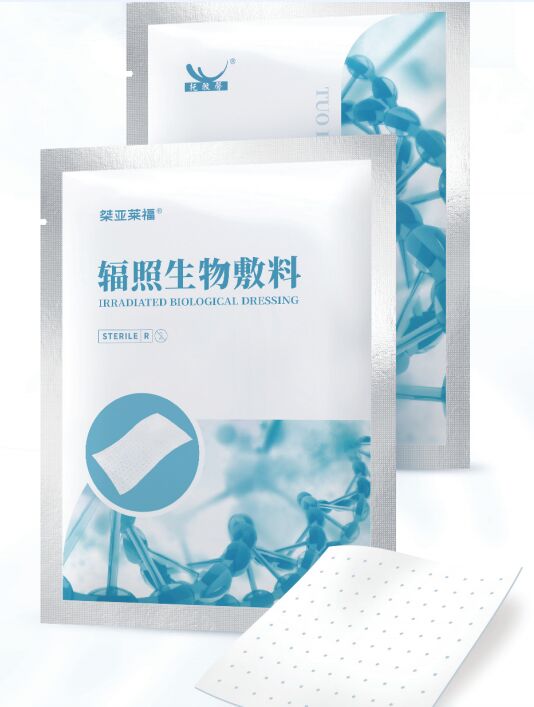
Anti-Infective Irradiated Biological Dressing for Large-Area Wounds

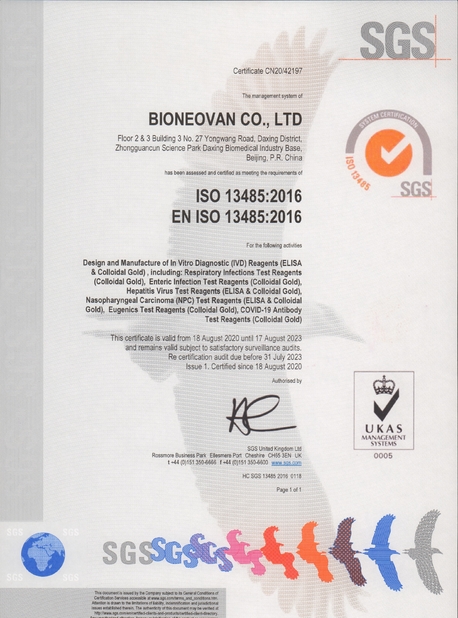
Chứng nhận
Trung Quốc Biovantion Inc. Chứng chỉ
Khách hàng đánh giá
Rất tốt. mọi thứ đã hoàn tất. Cảm ơn

—— Maryl Joy Prado-Philippines

Giao tiếp rất tốt và dễ dàng. Các sản phẩm hoạt động tốt với cả nhóm đối chứng và nhóm thử nghiệm tích cực.Sẽ đặt hàng một lần nữa mà không do dự.

—— Olof Olson, Hoa Kỳ

Tôi trò chuyện trực tuyến bây giờ

Anti-Infective Irradiated Biological Dressing for Large-Area Wounds

Anti-Infective Irradiated Biological Dressing for Large-Area Wounds

Hình ảnh lớn :  Anti-Infective Irradiated Biological Dressing for Large-Area Wounds

Thông tin chi tiết sản phẩm:
Nguồn gốc: Trung Quốc
Hàng hiệu: Biovantion
Chứng nhận: ISO13485
Thanh toán:
Số lượng đặt hàng tối thiểu: 10
Giá bán: Có thể đàm phán
chi tiết đóng gói: thùng carton
Thời gian giao hàng: 7-15 ngày
Điều khoản thanh toán: TT THANH TOÁN 100%
Khả năng cung cấp: 100000

Anti-Infective Irradiated Biological Dressing for Large-Area Wounds

Sự miêu tả
Làm nổi bật:

irradiated biological wound dressing

,

anti-infective large-area wound dressing

,

medical-grade biological wound dressing

Irradiated Biological Dressing


Introduction for Use (Step-by-Step)


01 | Debridement

 
Thoroughly debride the wound, achieve adequate hemostasis, ensure a flat wound base, and irrigate the wound surface.
 

02 | Thawing

 
After the dressing is softened by thawing, remove it from the package for immediate use.
 

03 | Application

 
Apply the dermal (medicated) side firmly and closely to the wound surface, avoiding wrinkles.
 

04 | Trimming

 
Trim off any excess material as needed to fit the wound.
 

05 | Bandaging & Securing

 
Apply pressure bandaging with sterile secondary dressings. Recommended protocol: Vaseline gauze + multiple layers of mesh gauze + elastic bandage for compression.
Anti-Infective Irradiated Biological Dressing for Large-Area Wounds 0
Category Guideline
Strict Aseptic Handling Remove the packaged irradiated biological dressing from the freezer. Thaw and soften it at 35°C, then take the skin graft out of the package under sterile conditions for direct use. Do not wash the dressing, and do not apply the folded inner surface directly to the wound.
Usage Duration The total continuous use of the product must not exceed 30 days.
Temporary Covering Material This product is not an implantable material and is intended only for temporary coverage of wounds.
Allergy History Use with caution in patients allergic to sulfadiazine zinc, or follow medical advice.
Transportation & Storage Transport via general vehicles. Store frozen at -18°C.


Wound Type Recommended Management Protocol
Superficial Partial-Thickness (Superficial II°) Burn Wounds Typically, the irradiated biological dressing does not need replacement; the outer secondary dressing is usually changed 1–2 times until healing. Ensure secure fixation at joint sites to prevent movement.
Deep Partial-Thickness (Deep II°) or Mixed-Depth Burn Wounds Perform the first dressing change after 3 days. Assess adherence of the irradiated biological dressing to the wound. If adherence is good, re-bandage until healing. If there is excessive exudate with local dissolution of the dressing, replace the irradiated biological dressing in the affected area as needed.
Microskin Graft Wounds The dressing effectively protects the wound, prevents infection, and promotes autologous skin graft survival and expansion without occupying space. The irradiated biological dressing will dry and slough off naturally during healing.
Donor Site Wounds Cover the donor site with the irradiated biological dressing until healing. The outer secondary dressing may be changed 1–2 times during this period. The irradiated biological dressing will dry and slough off naturally.
Chronic Wounds Perform the first dressing change 24–28 hours post-application. Subsequent dressing change intervals may be extended appropriately based on wound condition. Small-area wounds may heal spontaneously; large-area wounds are prepared for skin grafting.
Wound Type Recommended Management Protocol
Superficial Partial-Thickness (Superficial II°) Burn Wounds Typically, the irradiated biological dressing does not need replacement; the outer secondary dressing is usually changed 1–2 times until healing. Ensure secure fixation at joint sites to prevent movement.
Deep Partial-Thickness (Deep II°) or Mixed-Depth Burn Wounds Perform the first dressing change after 3 days. Assess adherence of the irradiated biological dressing to the wound. If adherence is good, re-bandage until healing. If there is excessive exudate with local dissolution of the dressing, replace the irradiated biological dressing in the affected area as needed.
Microskin Graft Wounds The dressing effectively protects the wound, prevents infection, and promotes autologous skin graft survival and expansion without occupying space. The irradiated biological dressing will dry and slough off naturally during healing.
Donor Site Wounds Cover the donor site with the irradiated biological dressing until healing. The outer secondary dressing may be changed 1–2 times during this period. The irradiated biological dressing will dry and slough off naturally.
Chronic Wounds Perform the first dressing change 24–28 hours post-application. Subsequent dressing change intervals may be extended appropriately based on wound condition. Small-area wounds may heal spontaneously; large-area wounds are prepared for skin grafting.

Chi tiết liên lạc
Biovantion Inc.

Người liên hệ: Mr. Steven

Tel: +8618600464506

Gửi yêu cầu thông tin của bạn trực tiếp cho chúng tôi (0 / 3000)